Service your system before the season that tries to break it, not after.
| Your system | Professional tune-up | Best timing |
|---|---|---|
| Central air conditioner | Once a year | Spring |
| Gas furnace | Once a year | Fall |
| Heat pump (heats and cools) | Twice a year | Spring and fall |
| AC + gas furnace together | Two visits a year | Spring (AC) and fall (heat) |
A heat pump gets two visits because it runs year-round, cooling in summer and heating in winter.
Why does HVAC maintenance matter?
Most of what can go wrong with a system isn't visible from the living room. A weak capacitor, a worn contactor, a slow refrigerant leak, or a clogged drain won't announce itself until the first hot afternoon or cold snap, which is exactly when every HVAC company in the county is slammed.
A tune-up lets you find those problems on your schedule instead of the system's. ENERGY STAR notes that dirty coils make a system run longer, which raises energy costs and reduces equipment life. Maintenance is the cheap part of owning a system. Emergency repairs and early replacement are the expensive part.
Why does maintenance matter more now that HVAC systems cost more?
Replacing a system costs a lot more than it did ten years ago, and several things pushed prices up at once.
- Equipment prices. The Bureau of Labor Statistics' producer price index for air-conditioning and forced-air heating equipment rose from 181.8 in August 2016 to 324.8 in August 2026, roughly 79%. The consumer price index for all items rose roughly 39% over the same ten years, so equipment prices climbed about twice as fast as prices in general. (It tracks manufacturer prices, not installed prices.)
- Efficiency standards. Since January 1, 2023, the Department of Energy requires split-system central air conditioners installed in the Southeast, including Georgia, to meet 14.3 SEER2 (for units under 45,000 Btu/hr). DOE acknowledges new air conditioners "might be more expensive," though they save on utility bills.
- The refrigerant change. New systems built from 2025 onward move away from R-410A to lower-warming refrigerants such as R-454B. In 2024, Lennox expected a price increase of "10%-plus" on its R-454B line and Carrier projected 15% to 20% over two years. Those were company projections, not retail prices. Contractors can still service existing R-410A systems.
- Metals and tariffs. Lennox and Carrier cited tariffs and raw material costs in their first-quarter 2026 reports. A June 2026 proclamation cut the tariff on certain residential HVAC products from 25% to 15%, which aims to head off further increases, not roll back earlier ones.
The total is substantial. Angi's August 2026 guide puts a typical HVAC replacement at roughly $5,000 to $12,500, averaging around $7,500, and up to roughly $22,000 with new ductwork and extras.
Think of it like a car. You change the oil, rotate the tires, and replace worn brake pads because those small jobs cost far less than a new engine, and they help the car last. An HVAC system works the same way. Maintenance can't stop aging, but it's your best tool for getting the efficiency and years you paid for. ENERGY STAR says airflow problems alone can reduce a system's efficiency by up to 15 percent.
What does an HVAC tune-up include?
A proper tune-up is a hands-on preventative maintenance visit with measurements, not a quick look and a wipe-down. Our technicians work from the checklists below.
Spring (cooling) visit
- Change the filter
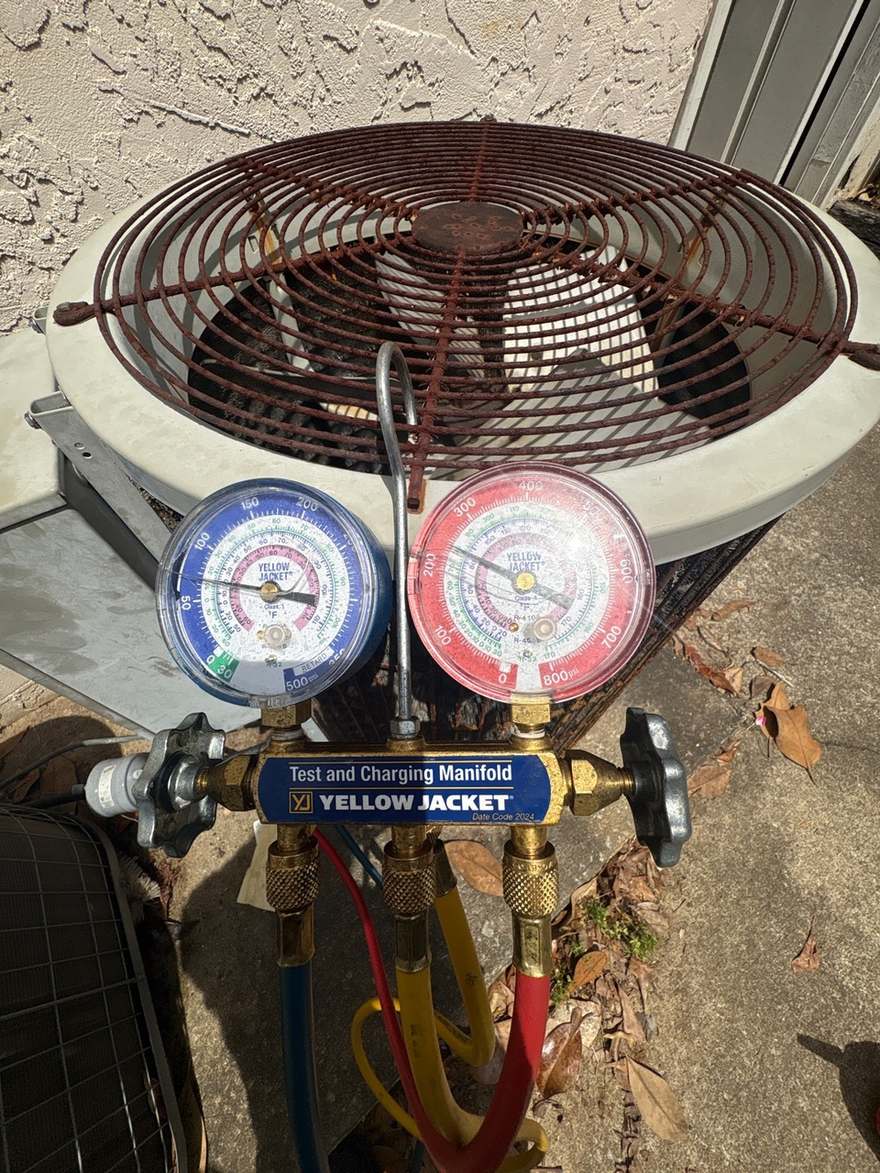
- Check refrigerant charge and operating pressures
- Check air temperatures and the temperature differential
- Check wiring, connections, voltage, and amp draw
- Check the contactor and pressure switches
- Test the run and start capacitors
- Inspect the indoor (evaporator) coil
- Clean the condensate line and test the condensate overflow (float) safety switch
- Clean the outdoor condenser coil with acid based cleaner
- Check overall system performance
Fall (heating) visit
- Change the filter
- Clean the burners and adjust combustion air
- Test the ignition system and flame sensor
- Check gas pressure
- Check the heat exchanger for cracks
- Check for gas leaks at the furnace and test for carbon monoxide
- Inspect the flue and venting
- Test the furnace's safety limit controls
- Check air temperature rise, wiring, and connections
- Check heat strips, plus heat pump heating mode and defrost
- Adjust controls if needed and check overall performance
Both visits
- Check the thermostat's calibration and operation
- Inspect the blower motor and wheel, and clean if needed
- Lubricate accessible motors and bearings, where applicable
- Look over accessible ductwork for damage or leaks
What do these checks mean in plain English?
The cooling checks:
- Refrigerant charge and pressures. Refrigerant circulates in a sealed loop, so a low charge usually means a leak. A wrong charge makes the compressor work harder and cool less.
- Temperature differential. How much colder the air leaves your system than enters it. It shows how well the system moves heat.
- Wiring, voltage, and amp draw. Loose connections create heat, and high amp draw means motors or the compressor are working too hard.
- Contactor and pressure switches. The contactor is the switch that starts your outdoor unit, and its contacts wear with every cycle. Pressure switches shut the system down if pressures go out of range.
- Capacitors. They give motors the electrical push to start. Testing catches a weak one before it fails on a hot afternoon.
- Evaporator and condenser coils. The indoor coil absorbs heat and moisture from your air, and the outdoor coil releases that heat. Dirt on either one makes the system run longer, which is the energy cost ENERGY STAR points to.
- Condensate line and float switch. Your AC pulls water out of humid Georgia air and sends it down a drain. The float switch shuts the system off if the drain backs up.
The heating checks:
- Burners, ignition, and flame sensor. A dirty flame sensor is a common reason a furnace lights and then shuts off.
- Gas pressure and leak check. The furnace needs the right gas pressure to burn properly, and the leak check confirms the gas stays where it belongs.
- Heat exchanger. This metal barrier keeps combustion gases out of the air you breathe. A crack can let carbon monoxide into your home.
- Carbon monoxide test. CO has no smell, so a measurement is the only reliable way to know.
- Flue and venting. A blocked or disconnected vent sends exhaust where it shouldn't go.
- Safety limit controls. They shut the furnace down if it overheats.
- Temperature rise, heat strips, and defrost. Temperature rise shows how much the furnace warms the air. Electric heat strips back up some systems on cold days, and heat pumps run a defrost cycle to clear frost from the outdoor unit.
The checks at every visit: thermostat calibration confirms the thermostat reads the room correctly. A dirty blower wheel moves less air. Lubrication reduces wear on motors and bearings. A ductwork look-over spots torn or leaky ducts that waste the air you've paid to heat or cool.
The heat exchanger check matters most for safety. That's why we recommend yearly furnace inspections and a carbon monoxide detector on every floor.
What does a tune-up look like for each type of system?
Central air conditioner
One professional visit a year, in spring. The spring checklist covers refrigerant charge, electrical checks, a clean condenser coil, a clear condensate line, and a performance check at the end. Between visits, Trane suggests keeping plants at least two feet away from your outdoor unit so airflow isn't blocked.
Gas furnace
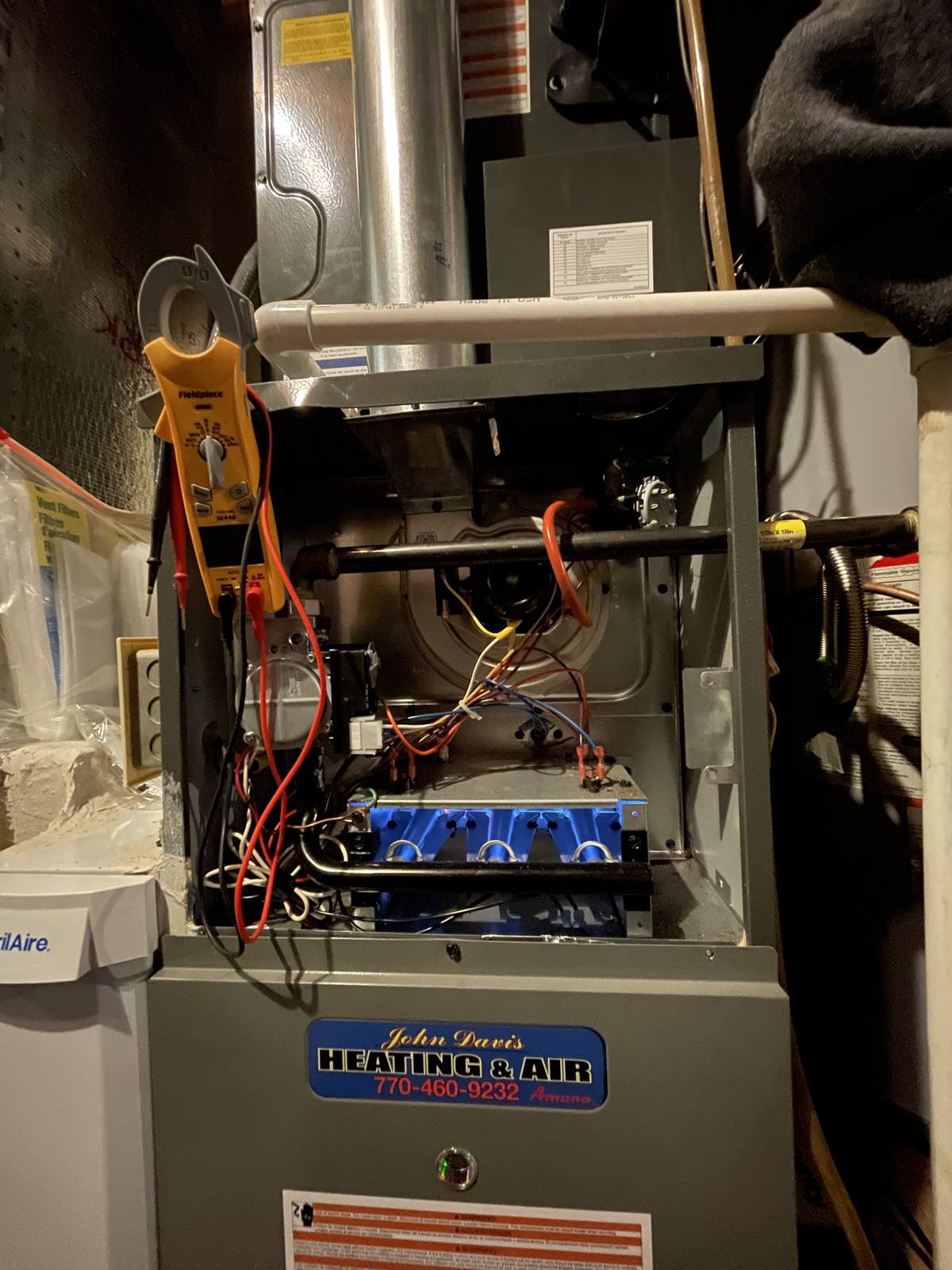
One professional visit a year, in fall, before you need heat. The fall checklist is built around combustion and safety: burners, ignition, gas pressure, heat exchanger, flue, safety limits, and a carbon monoxide test.
Heat pump
A heat pump is one machine doing both jobs, so it gets two visits a year. In spring the technician covers the cooling side, with the same refrigerant, electrical, coil, and drain checks as an air conditioner. In fall the focus shifts to heating mode and the defrost cycle.
How can you prepare for a tune-up visit?
- Clear a path. Make sure the technician can reach your indoor unit (closet, attic, basement, or crawl space) and the outdoor unit, with plants at least two feet back from it.
- Write down what you've noticed. Odd noises, rooms that never get comfortable, a thermostat that seems off, or a bill that jumped.
- Gather your paperwork if your system is under warranty.
- Secure your pets while the technician works.
How can you tell a good tune-up from a quick look?
Anyone can glance at a system and say it looks fine. A real tune-up leaves evidence:
- Measurements, not opinions. The technician can tell you the pressures, temperature differential, amp draw, and carbon monoxide readings.
- Cleaning, not just looking. The condenser coil, condensate line, and burners get cleaned, where applicable.
- Testing of parts that wear. Capacitors, contactors, flame sensors, and safety controls are tested, not assumed.
- Furnace safety checks. A gas furnace visit without a heat exchanger inspection and a carbon monoxide check isn't a full tune-up.
- Plain-English findings. You hear what's fine, what's wearing out, and what a fix would cost.
To see what some of these problems look like, our HVAC FAQ page includes photos from real service calls.
When should you schedule service in Georgia?
Summers in Fayette, Henry, Coweta, Spalding, Fulton, and Clayton Counties are hot and humid, so your AC runs hard for months. Winters are mild but still need dependable heat, and pollen season loads up filters quickly.
A good rule of thumb: book AC service in March or April, before the first hot stretch, and heating service in September or October, before the first cold snap. ENERGY STAR notes that contractors get busy once summer and winter arrive, so booking early gives you more choices. If you missed the window, a mid-season tune-up can still catch a problem before it becomes a breakdown.
How often should you service your system in specific situations?
Twice a year is the baseline. Here's when to pay closer attention.
New system under warranty. Many manufacturer warranties expect routine maintenance, and a neglected system can have a warranty claim denied. Keep a record of every visit.
Older system (roughly 10+ years). Older equipment has more wear and usually runs less efficiently. Ask for an honest read on remaining life, so you can plan instead of rushing into HVAC replacement.
Pets, allergies, or lots of dust. Filters clog faster, so check yours monthly. Our indoor air quality options can help.
What can you do yourself, and what should you leave to a pro?
Do it yourself:
- Check your filter monthly and replace it on schedule
- Keep leaves and clutter away from the outdoor unit
- Test your carbon monoxide detectors and keep fresh batteries in them
Leave it to a pro:
- Anything involving refrigerant, which requires a certified technician
- Electrical parts such as capacitors, contactors, and wiring
- Gas connections, burners, and the heat exchanger
- Coil cleaning, flue inspection, and measuring pressures and carbon monoxide
If a job means opening a panel, call us.
How often should you change your air filter?
This is the one job you handle yourself. Look at your filter every month and replace it every one to three months. With pets, allergies, or Georgia pollen, lean toward monthly. ENERGY STAR also recommends monthly filter checks.
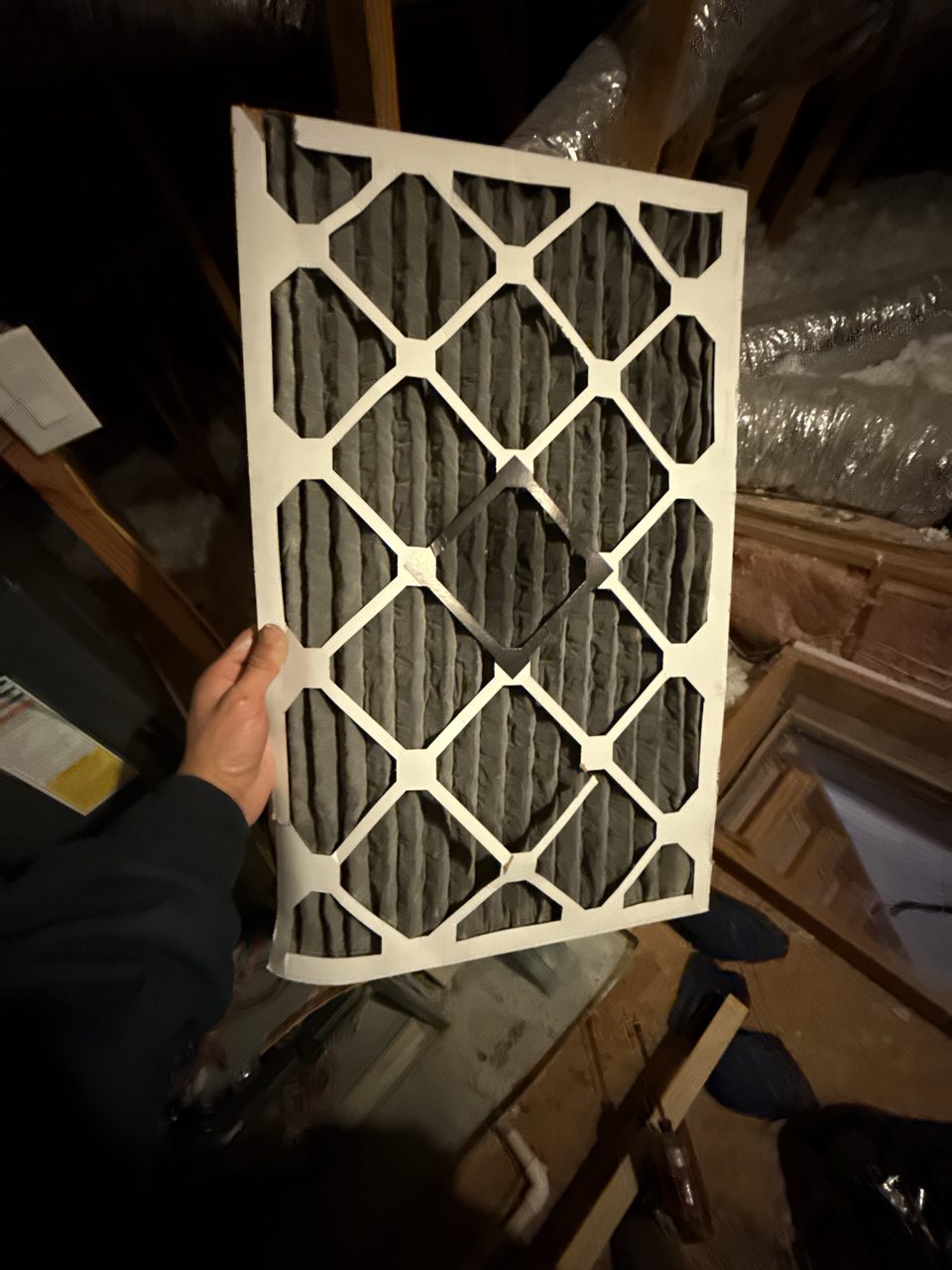
One caution: a higher rating isn't always better. Filters are rated by MERV, and a very dense filter can restrict airflow on systems not designed for one. If you're thinking about upgrading, ask your technician first.
What are the signs you've waited too long?
If you've gone more than a year without a tune-up, watch for:
- Weak airflow, or an AC running but not cooling. Check the thermostat and filter first, then call us.
- Ice on the unit. Turn the AC off, set the fan to "on" to help it thaw, and call if it freezes again.
- Higher energy bills with no change in your habits, or short cycling (the system turns on and off in quick bursts).
- Grinding or burning sounds or smells. If you ever smell gas, leave the house immediately and call your gas company or 911.
- A furnace that won't light or keeps shutting off.
None of these means you need a new system, but all are cheaper to fix early through HVAC repair.
How does the JD Air Care Plan fit in?
If you'd rather not remember to book two visits a year, that's what the JD Air Care Plan is for. It's $15 a month and includes:
- Two tune-ups per 12-month period, with maintenance reminders from our team
- $0 service call fee (non-members pay $90)
- 10% off repairs
- Priority scheduling when you need a repair
- Free standard pleated filters: members are eligible for up to two 1-inch MERV 8 filters, typically replaced during your maintenance visit when available. If we don't have them in stock, we ship them to your home. Additional filters, specialty filters, or higher MERV-rated options cost extra.
Here's how the numbers work. The JD Air Care Plan is $15 a month, or $180 a year, for two tune-ups, which works out to $90 per visit. Two one-off tune-ups at $120 each would be $240. The plan also adds the perks above on top of the tune-ups.
A few details before you enroll: the plan covers one system and each additional system is $6 a month, there's a 12-month minimum commitment, and it auto-renews. You can pay monthly or annually, and cancellations need at least 30 days' notice. If you cancel, any maintenance visits completed within the current 12-month period must be paid in full. Read the full terms before you enroll.
Ready to schedule your tune-up?
If it's been more than a year since your last service, now is a good time to fix that. A single tune-up is $120 for non-members. Call John Davis Heating & Air at 770-299-2833 or request service online, and we'll get you on the schedule. We're a family-owned and operated company serving South Atlanta since 1968, with customers across Fayette, Henry, Coweta, Spalding, Fulton, and Clayton Counties. You can also read more about our air conditioning services and heating services.
Frequently asked questions
Do I really need to service my AC and furnace every year?
Yes. A yearly professional check on each system is the recommendation from ENERGY STAR and most HVAC professionals. Problems like a weak capacitor, low refrigerant, or a cracked heat exchanger can't be seen from the living room and often don't show up until the system fails.
What is the best time of year to service my HVAC?
Spring for your air conditioner and fall for your heating. Contractors get busy once summer and winter arrive, so booking before the season gives you more scheduling choices.
How often should a heat pump be serviced?
Twice a year, in spring and fall. A heat pump both cools and heats, so it needs a cooling check before summer and a heating check, including defrost, before winter.
How often should I change my air filter?
Check it monthly and replace it every one to three months. Go with monthly if you have pets, allergies, or heavy pollen.
Does a new HVAC system need maintenance?
Yes. Many manufacturer warranties expect routine service, so keep records of each visit in case you ever need to make a warranty claim.
How much does an HVAC tune-up cost?
A single tune-up is $120 for non-members. The JD Air Care Plan is $15 a month, or $180 a year, for two tune-ups ($90 per visit), along with a $0 service call fee, 10% off repairs, priority scheduling, and free standard pleated filters (up to two 1-inch MERV 8 filters).
Is HVAC maintenance worth it now that systems cost more?
Yes. Bureau of Labor Statistics data shows manufacturer prices for air-conditioning and heating equipment up roughly 79% between August 2016 and August 2026, about twice the rise in consumer prices overall, so replacing a system costs more than it did a decade ago. Regular tune-ups catch problems early and help you get the most life and efficiency from the equipment you own.